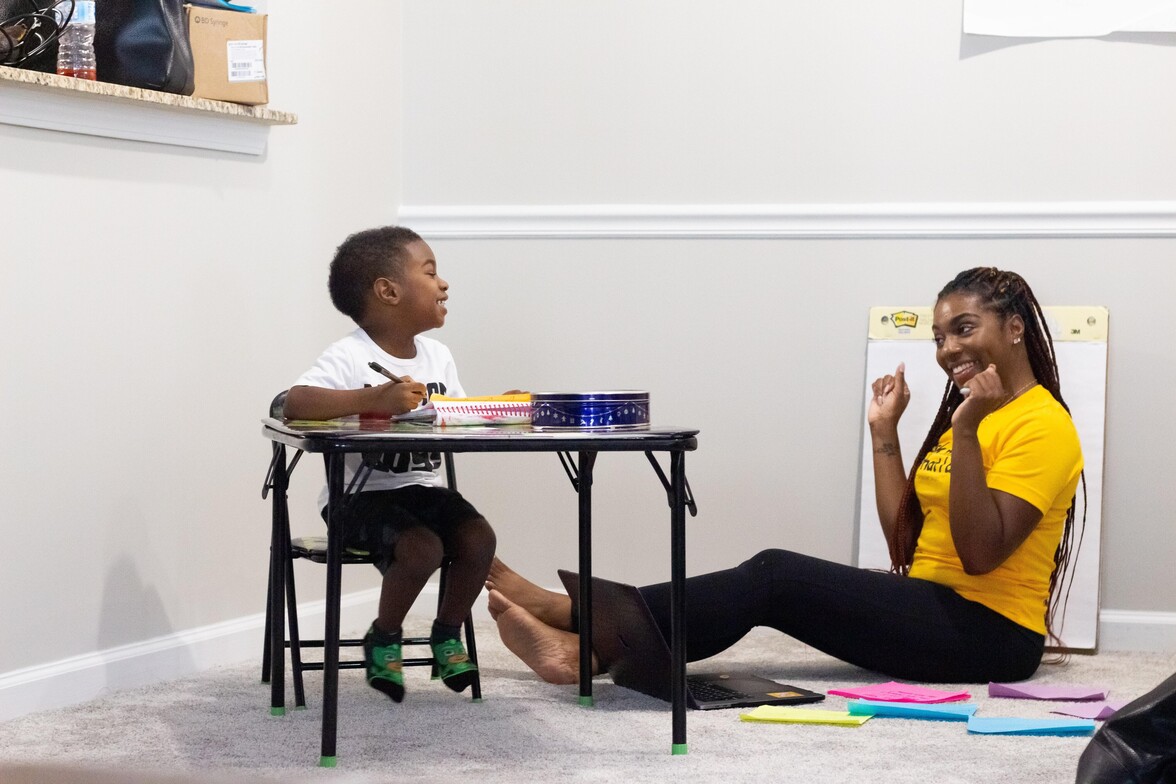
A child who melts down after school, freezes when plans change, or lashes out at a sibling is not necessarily being difficult. They may be overwhelmed by feelings and still learning what their body is trying to tell them. Child therapy for emotional regulation gives children a supportive place to understand those big reactions, practise coping skills, and feel more confident asking for help.
Emotional regulation is not about making a child calm, compliant, or cheerful all the time. It is the developing ability to notice feelings, manage their intensity, and choose a safe response. Children need adults around them who can hold boundaries with warmth, recognise what may be beneath the behaviour, and help them build skills at a pace that feels manageable.
What emotional regulation can look like in children
Every child has moments of frustration, worry, sadness, or excitement that spill over. Emotional regulation becomes a concern when strong feelings happen often, last a long time, create distress, or interfere with daily life at home, school, or with friends.
For one child, this may look like shouting, hitting, throwing objects, or becoming intensely upset by a small disappointment. Another child may go quiet, avoid activities they usually enjoy, complain of stomach aches, or appear unable to move forward after a mistake. Some children hold everything together at school and unravel when they get home. These patterns can be confusing for parents and carers, especially when the behaviour seems to come out of nowhere.
There is usually a reason, even if it is not immediately visible. Hunger, tiredness, sensory overload, friendship stress, learning differences, anxiety, grief, family change, bullying, or uncertainty about belonging can all affect a child’s capacity to cope. A child’s temperament and developmental stage matter too. The goal is not to find one simple cause, but to understand the pattern with compassion.
How child therapy for emotional regulation works
Therapy is adapted to a child’s age, communication style, interests, culture, and family context. Young children may communicate most clearly through play, drawing, stories, movement, or imaginative activities rather than a long conversation. Older children may benefit from talking directly, using creative approaches, or learning practical strategies for specific situations.
A registered therapist begins by getting to know the child and the adults who care for them. Together, they may explore what tends to happen before an emotional reaction, how the child experiences it in their body, what they do next, and what helps them recover. This helps replace labels such as “attention-seeking” or “overreacting” with a clearer understanding of unmet needs and skill gaps.
Sessions may help a child build a feelings vocabulary, notice early signs of escalation, and practise calming tools before they reach a breaking point. They may learn how to take space safely, use grounding techniques, solve a problem in smaller steps, or communicate a need without hurting themselves or someone else. Therapy can also support children to repair relationships after a difficult moment, which is an essential part of emotional growth.
The approach depends on the child. Cognitive behavioural therapy can help children notice unhelpful thought patterns and try new responses. Play-based and art-based approaches can make difficult feelings safer to explore. Trauma-informed care considers how past or ongoing experiences may shape a child’s sense of safety. Parent and family work is often included because children regulate best when the adults around them have support too.
Therapy is not a behaviour chart with better language
Rewards and routines can be useful, particularly when they are clear and realistic. But consequences alone rarely teach a distressed child how to manage an overloaded nervous system. If a child is regularly dysregulated, they may need connection, predictability, and repeated opportunities to practise skills when they are calm.
That does not mean removing boundaries. Children benefit from knowing that feelings are always allowed while certain behaviours are not safe or acceptable. A therapist can help families find responses that are both caring and consistent: “I can see you are furious. I will not let you hit. Let’s get your body safe first, then we can work out what happened.”
Signs your child may benefit from support
A single difficult week does not always mean therapy is needed. Children can struggle during a move, a new school term, illness in the family, or other significant transitions. However, additional support may be helpful if emotional reactions are becoming more frequent or intense, family life feels dominated by conflict, or your child is withdrawing from school, friendships, sleep, or activities they once enjoyed.
It can also help to seek guidance when you find yourself walking on eggshells, repeating the same strategies without progress, or feeling unsure how to respond without escalating the situation. Parents and carers do not need to have all the answers before reaching out. Asking for support is a practical step, not a sign that you have failed.
If a child talks about harming themselves or someone else, seems unable to stay safe, or is in immediate danger, seek urgent local crisis or emergency support. Therapy is valuable, but immediate safety comes first.
What parents and carers can do between sessions
The most effective support is often built into ordinary moments. Start by noticing the child’s experience before trying to fix it. A simple statement such as, “That felt really unfair,” can lower defensiveness and show that their feelings make sense, even when their behaviour needs a limit.
Choose coping strategies together when your child is calm. Some children prefer slow breathing, a quiet corner, music, drawing, movement, cold water, a sensory object, or a short walk. A strategy that works for one child may frustrate another, so it is worth experimenting without pressure. Practising a tool during a crisis is harder than practising it during a settled moment.
Predictability can also reduce stress. Clear routines around mornings, meals, homework, bedtime, and transitions give children fewer surprises to manage. Where change is unavoidable, tell them early, explain what will happen, and offer a small choice where possible. Choice does not mean giving up adult responsibility. It may be as simple as asking whether they want to pack their bag before or after a snack.
Try to repair after hard moments too. Parents and carers are human, and nobody responds perfectly every time. A calm conversation later can model accountability: “I raised my voice when I was stressed. I am sorry. Next time I will take a pause. How can we handle that moment differently together?” Repair teaches children that relationships can be safe after conflict.
Care that respects the whole child and family
Children do not experience emotions separately from their identities, relationships, communities, or environments. A child may be navigating racism, ableism, migration and settlement changes, questions about gender or sexuality, family separation, neurodivergence, or pressure to fit expectations that do not reflect who they are. Therapy should never ask a child or family to leave those realities at the door.
Culturally responsive, LGBTQ-affirming, anti-oppressive care creates room for each family’s values, language, structure, and lived experience. It also recognises that parents, guardians, foster carers, and chosen family members may all play meaningful roles in a child’s support system. The right therapist will be curious, respectful, and willing to tailor care rather than relying on a one-size-fits-all plan.
At LiveWise Associates, children and families can be matched with an appropriate registered therapist through a supportive intake process, with in-person appointments in Pickering and secure virtual therapy available across Ontario. A free consultation can help you consider whether individual child therapy, parenting support, family work, or a combination of approaches is the best fit.
Your child does not need to be in crisis to deserve support. With the right relationship, practical skills, and steady encouragement from the people who care for them, big feelings can become something they understand rather than something they fear.

Augustine Jatoe
Contact Me